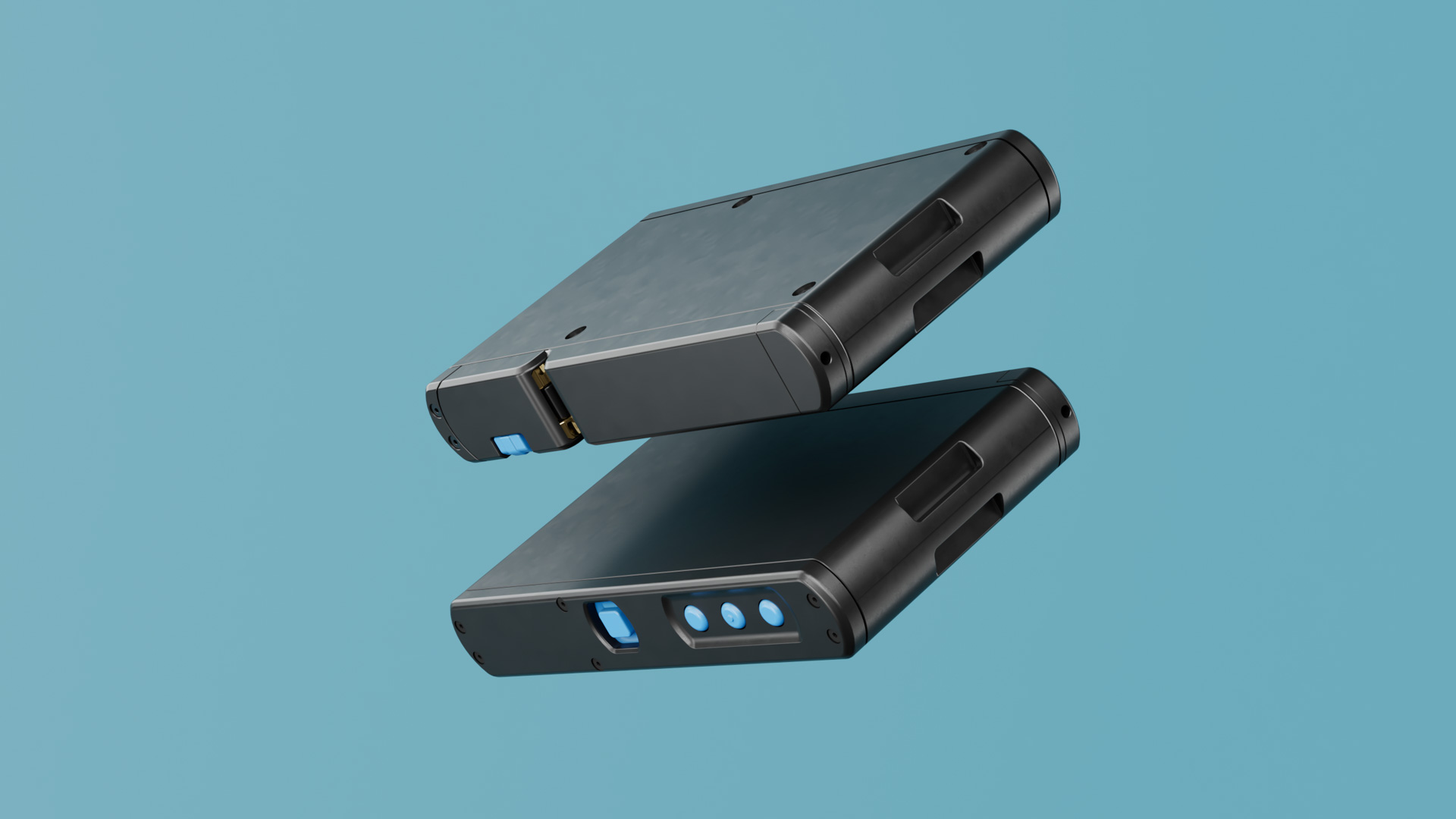
The second system Tekt built for Bionic Vision Technologies had to leave the laboratory. Its job was to make a bionic eye implant usable away from fixed equipment — in a research setting, or at a recipient's home.
Tekt's scope was the wearable end of that: the power system and the communication path carrying data and power to the custom implant safely, and the vision-processing and data-storage sub-system behind it. Tekt designed the PCBs.
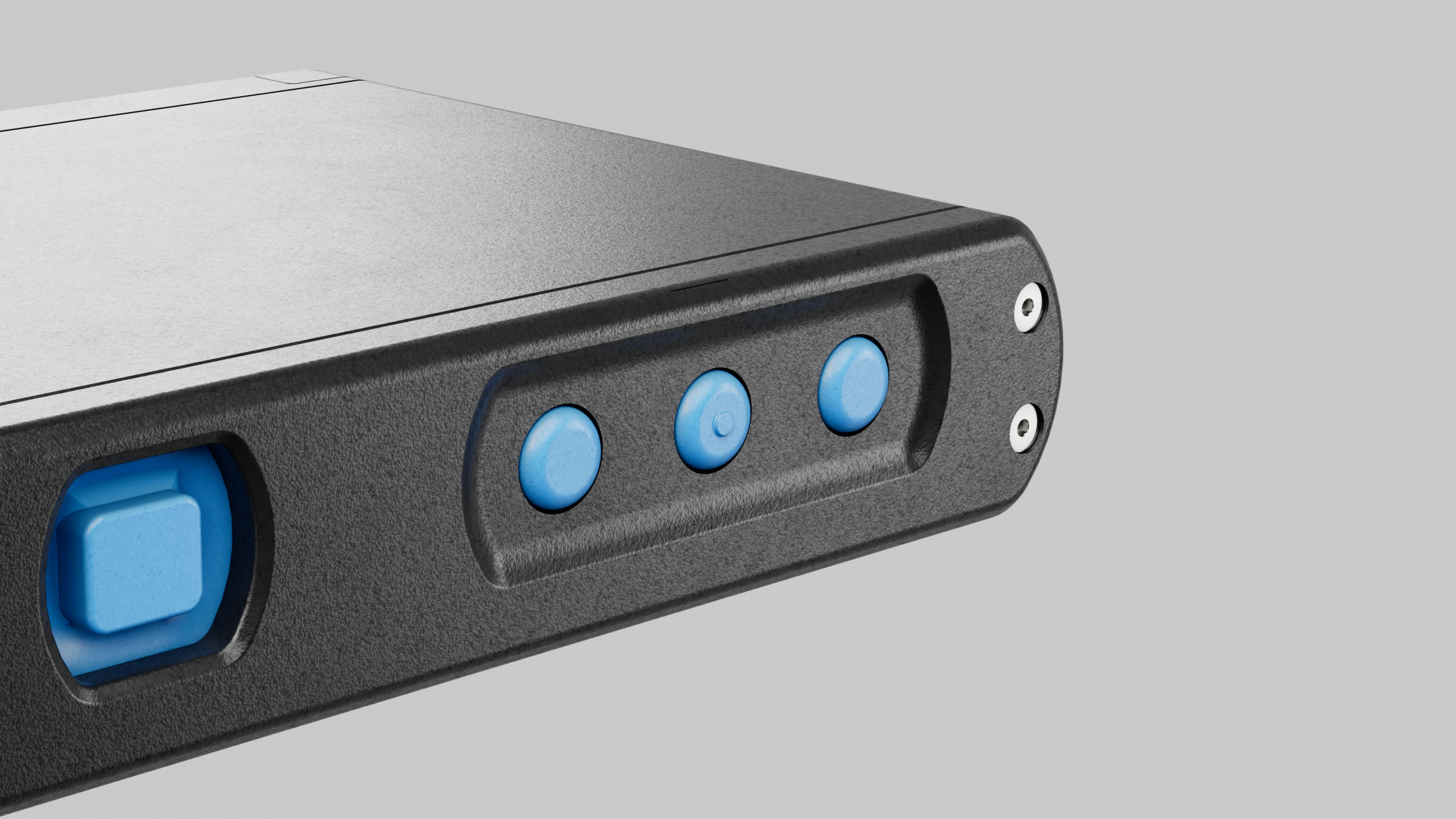
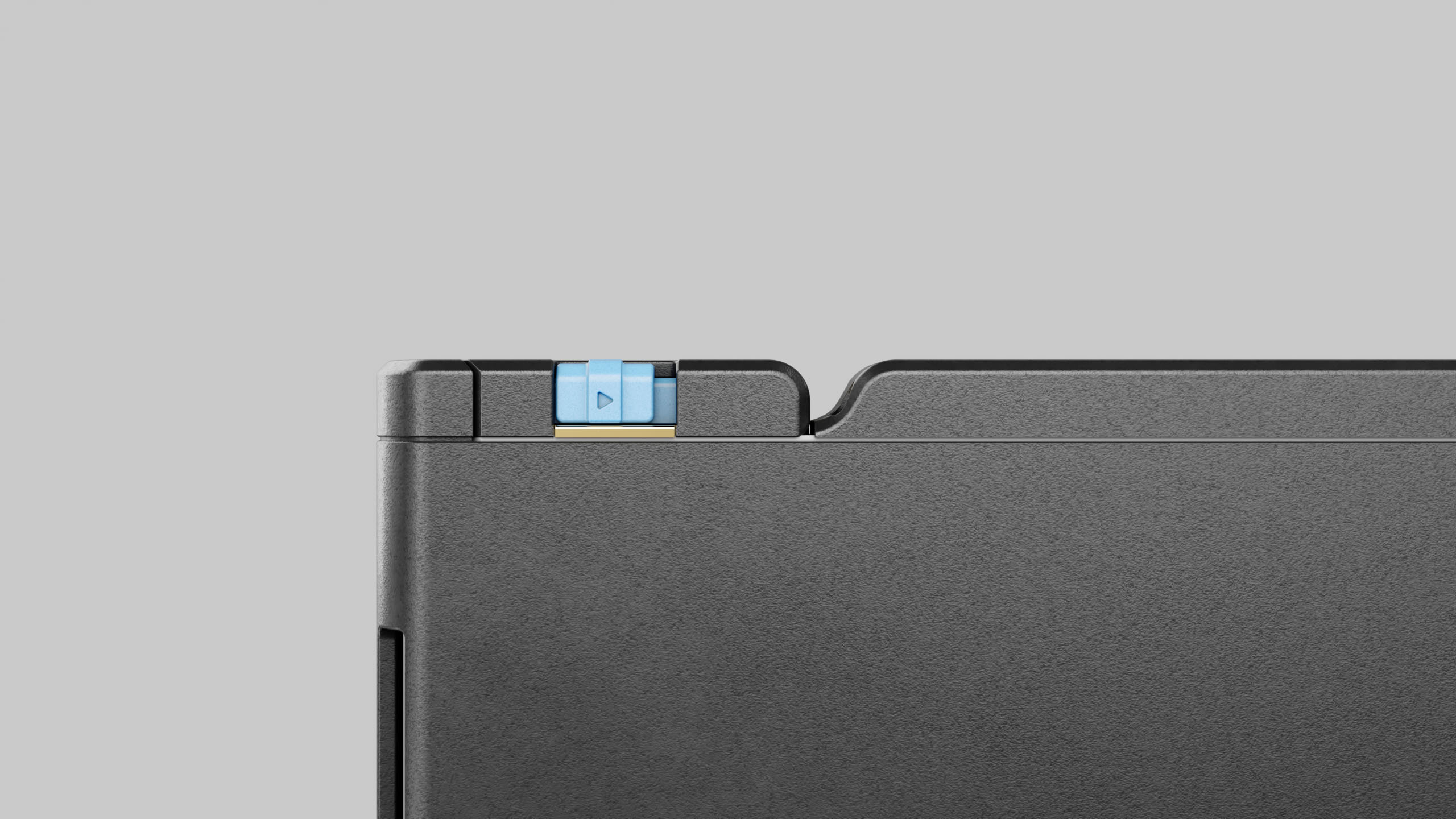
Two of the decisions came from where the system had to work rather than what it had to compute. It runs on battery, because a mains tether defeats the purpose. It is packed into a ruggedised housing, because the requirement was safe long-term operation in the field, not a bench session.
The vision processing is NVIDIA-accelerated. Tekt's NVIDIA work sits in the Jetson edge AI line: on 2 September 2022 the company announced it had "strategically aligned with NVIDIA as a new Jetson Ecosystem partner" — NVIDIA's only edge AI ecosystem partner in the Australasian region — having by then designed "three custom Jetson Nano solutions for clients and nine solutions supporting the wider Jetson edge computer portfolio". That partnership post-dates this project: Tekt was already listing "bionic implant processing systems" among its work at its twelfth anniversary in April 2021. Which module went into this backpack is not on the public record.