Box Altitude makes altitude training systems: hypoxic tents and rooms that simulate thin air for athletes. Rico Rogers, a former professional road bicycle racer, founded the company in St Kilda, Melbourne in 2019; its F10 Altitude Generator simulates altitudes of up to 3,000 metres. The first-generation product had no app, no cloud and no feedback, and Rogers, well connected in professional cycling, needed it to become a real closed-loop system.
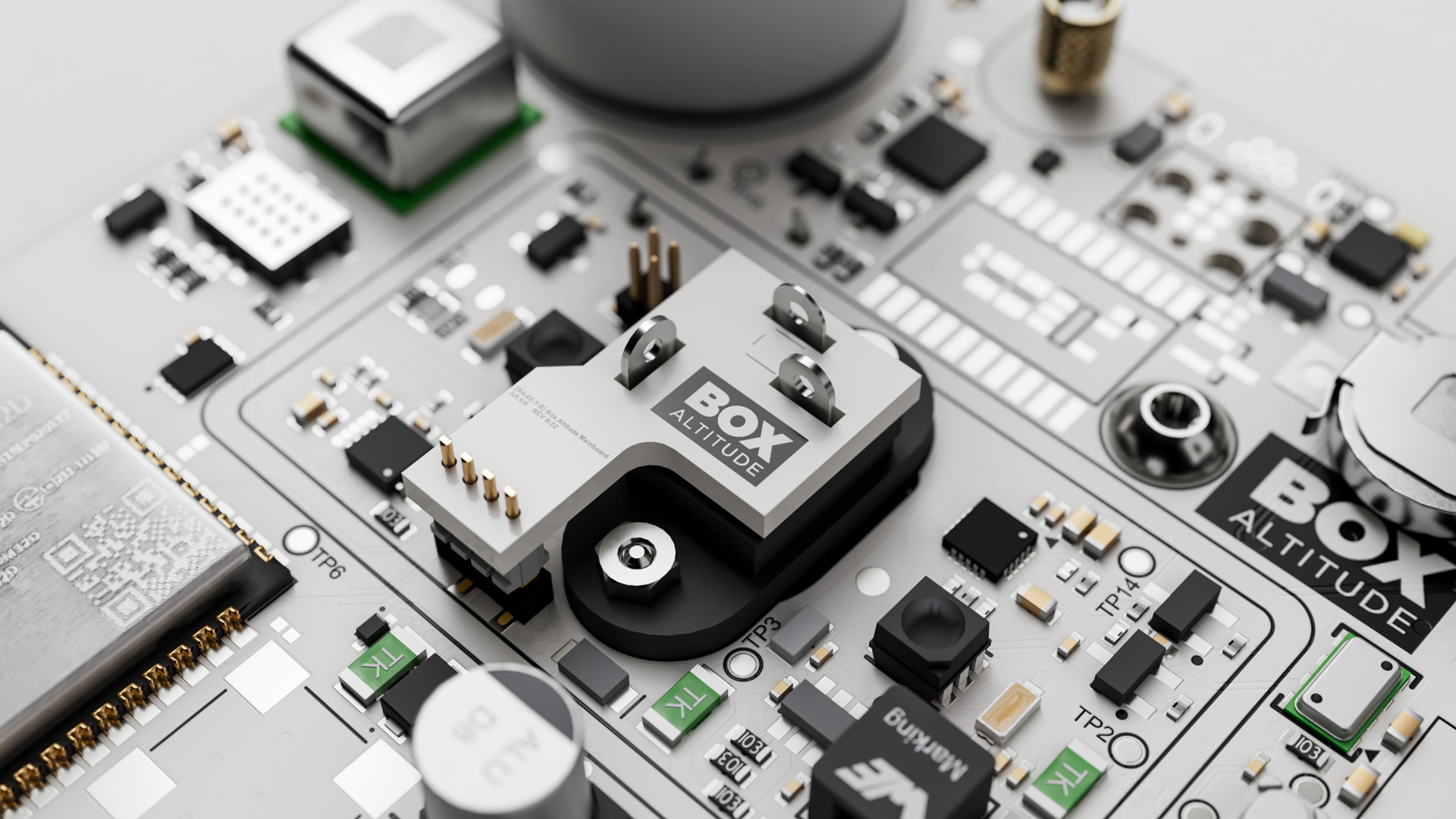
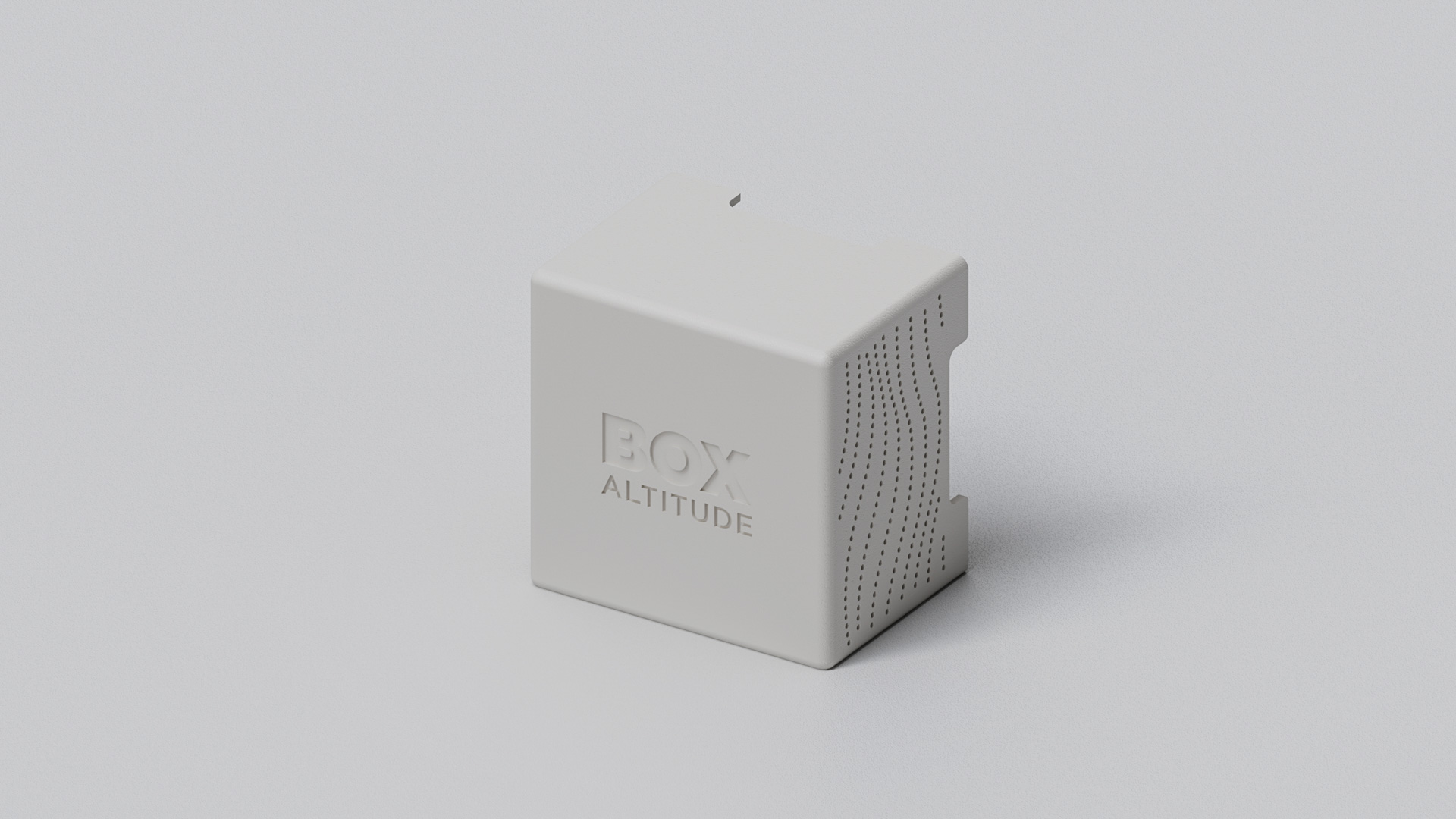
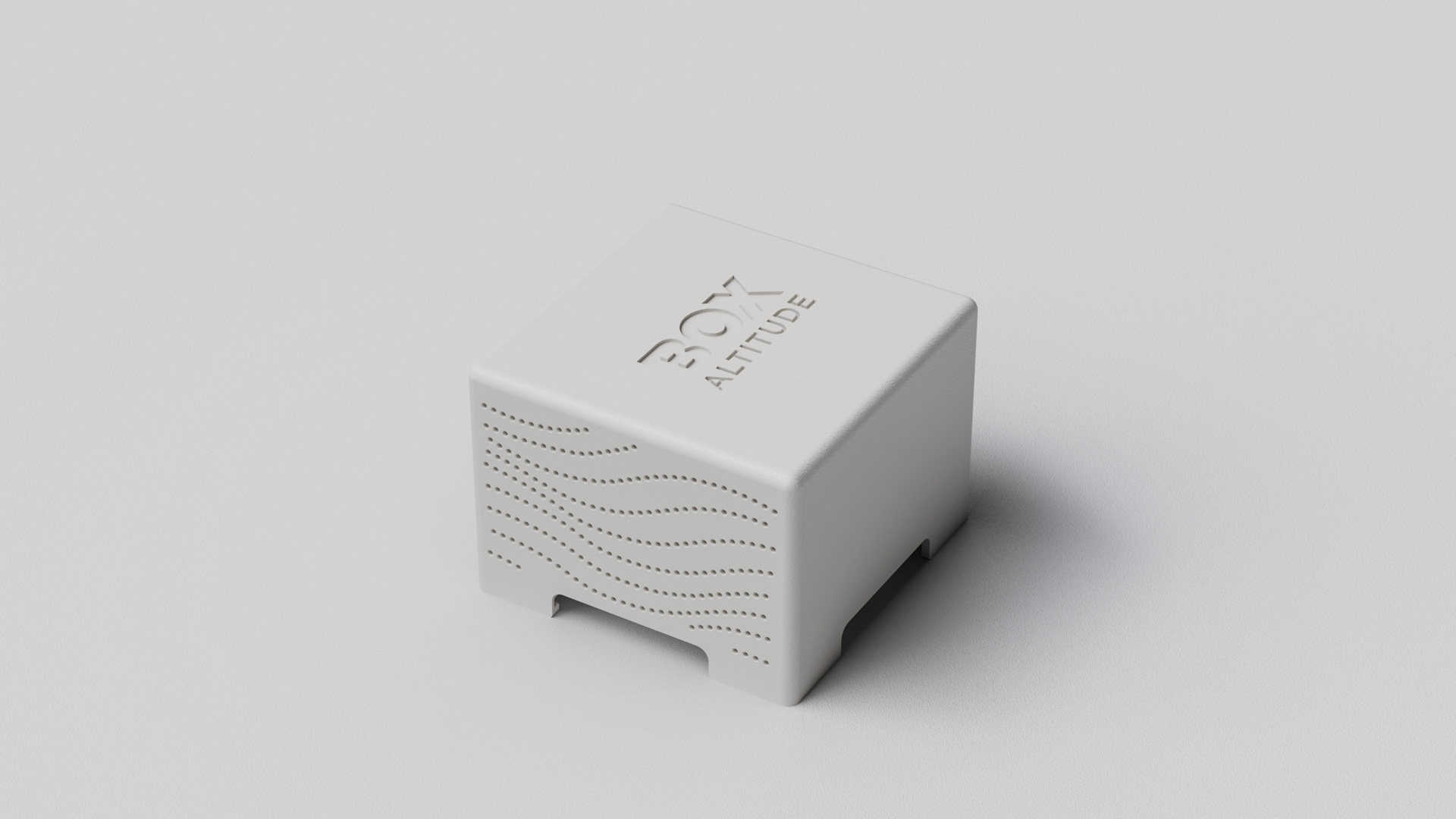
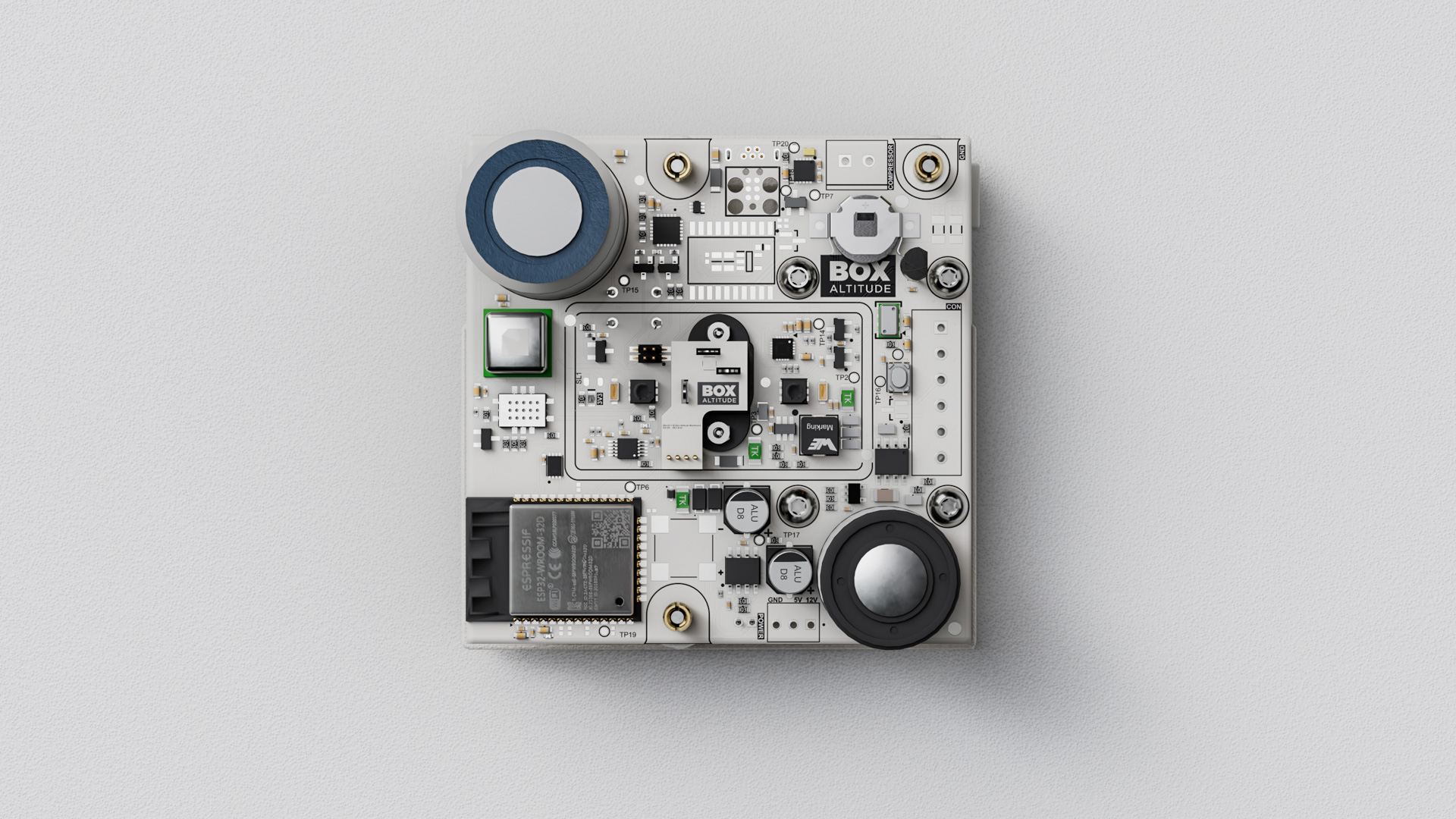
We developed the sensing unit — multiple oxygen sensors plus carbon monoxide and carbon dioxide — the algorithms that convert gas readings to an altitude equivalent, the ESP32 firmware, the mobile app through which an athlete sets a target altitude and logs training, and the IoT cloud behind both. The compressor controller was a variant of the same platform: shared firmware and Wi-Fi stack, one unit taking sensor input, the other driving control output. We did the industrial design, electronics and housings for both units, and worked with a third-party assembler to integrate them with the off-the-shelf compressor.
The difficulty was field support. Early trial units went to homes and gyms in Italy, on Wi-Fi nobody could see, at an early stage of product maturity. We built remote diagnostics and logging into the product far earlier than a prototype would normally carry them, so installs could be debugged from our Abbotsford office in Melbourne.
We manufactured 120 sensor and compressor electronics kits, fully provisioned and tested for assembly. Box Altitude announced the second-generation sensor and app in July 2022. It is still in business and still growing, selling to home users, gyms and performance centres and to professional sport — the Australian Institute of Sport, Australian swimming programmes in Queensland, and cyclists preparing for the Tour de France.