Teaching a masters class in advanced systems design, I watched fifth-year students destroy their projects one after another because nothing let them see what their USB power rails were doing. Log4 is the instrument that was missing.
The course was an advanced systems and PCB design subject I wrote and ran for four years at the University of Melbourne. The fifth-year project was a small oscilloscope, and students kept blowing theirs up through an incorrectly designed USB power subsystem—then had no way to see what had gone wrong, or whether the design had ever been inside its power margins. In 2017 few metering tools let a USB or PoE powered device be tested with its data path uninterrupted, and nothing gave that insight cheaply and safely.
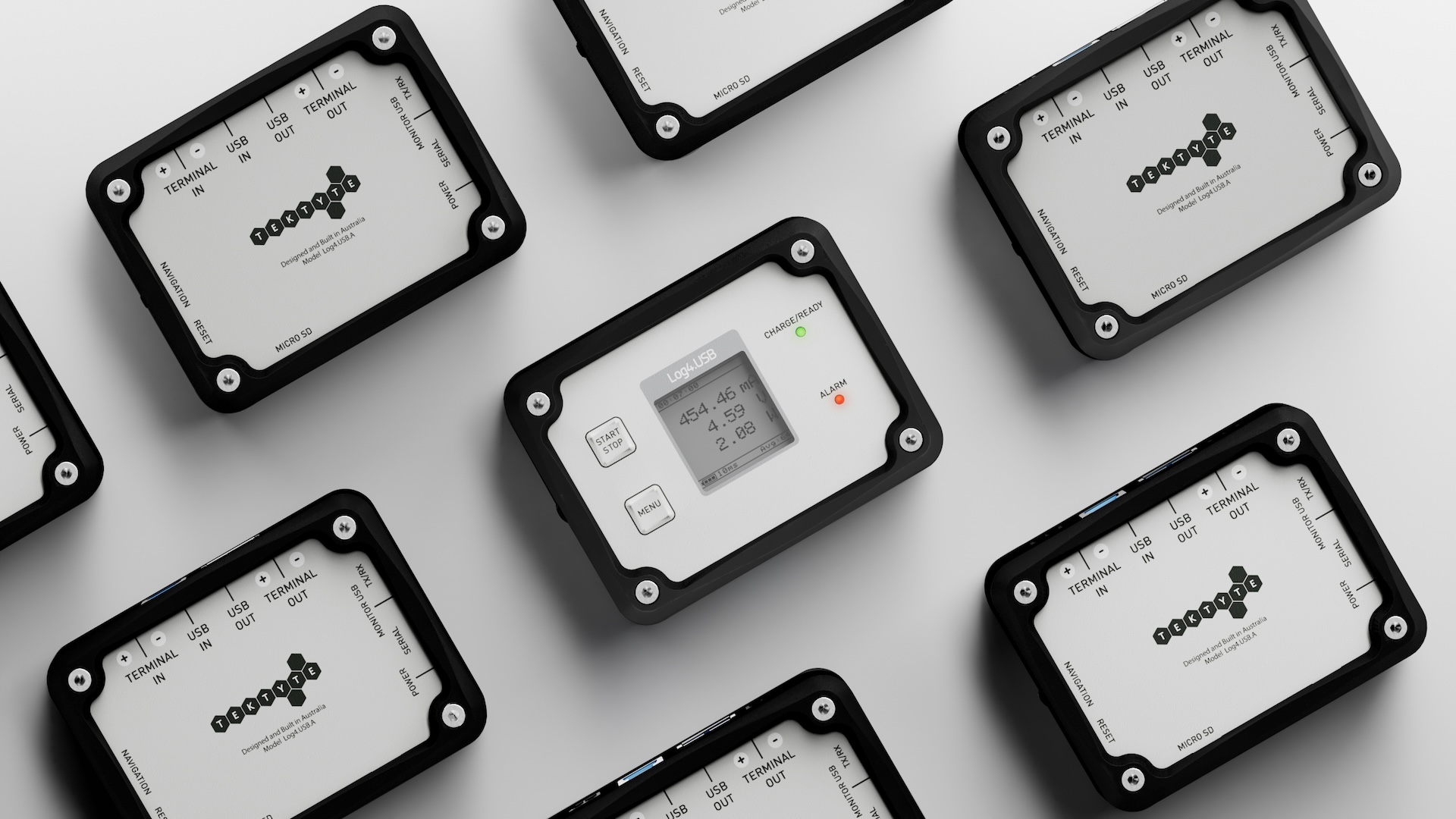
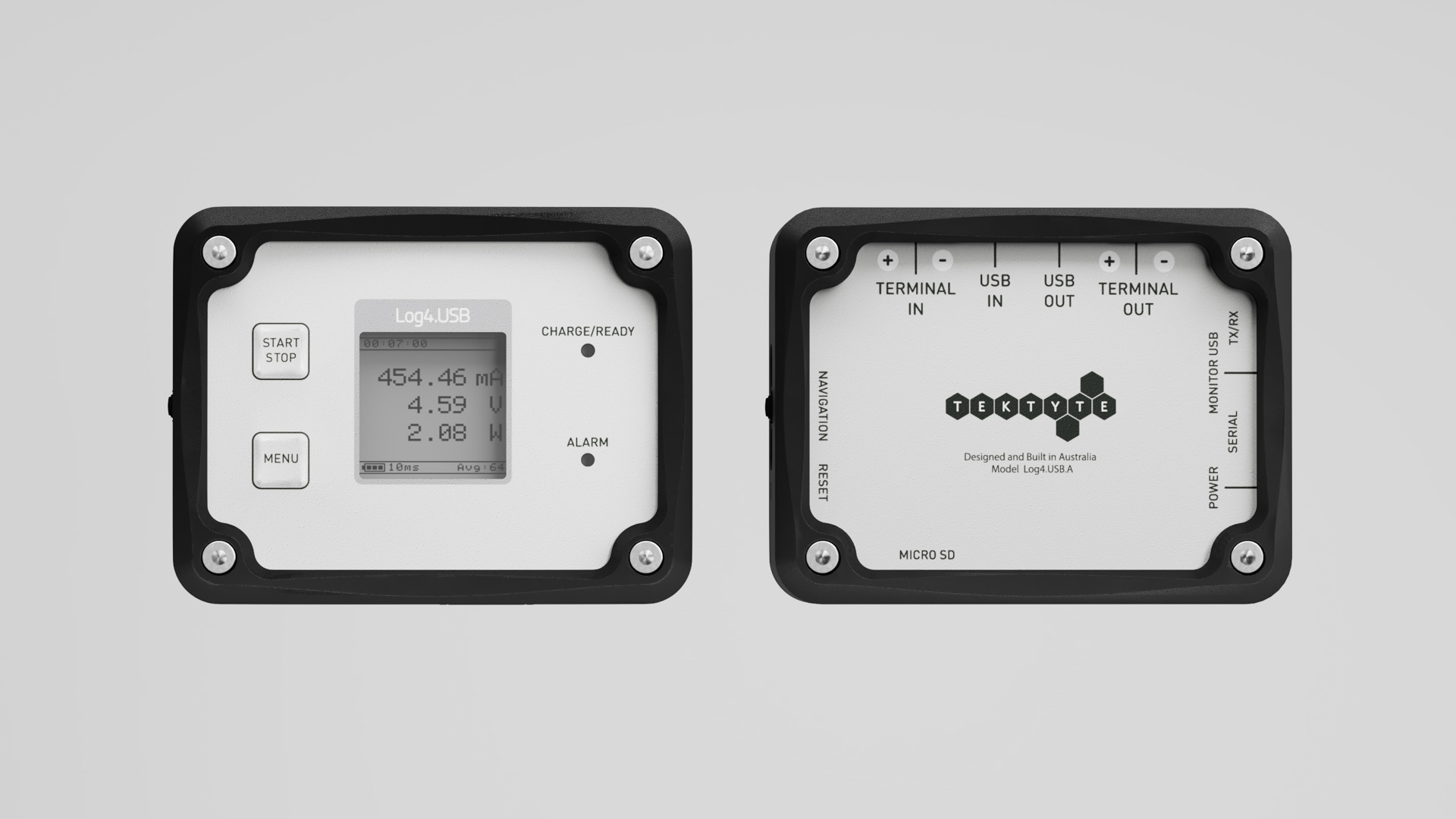
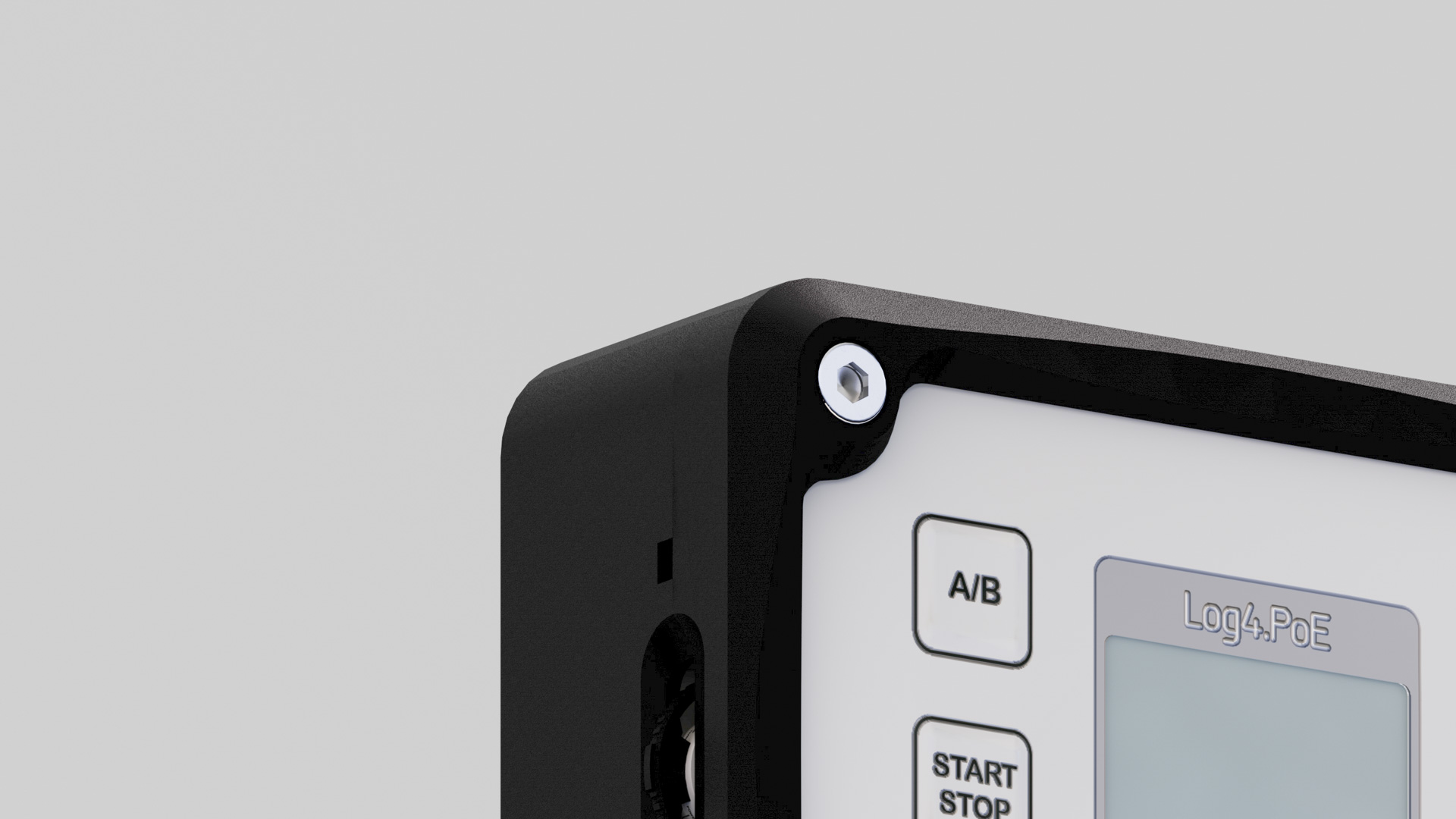
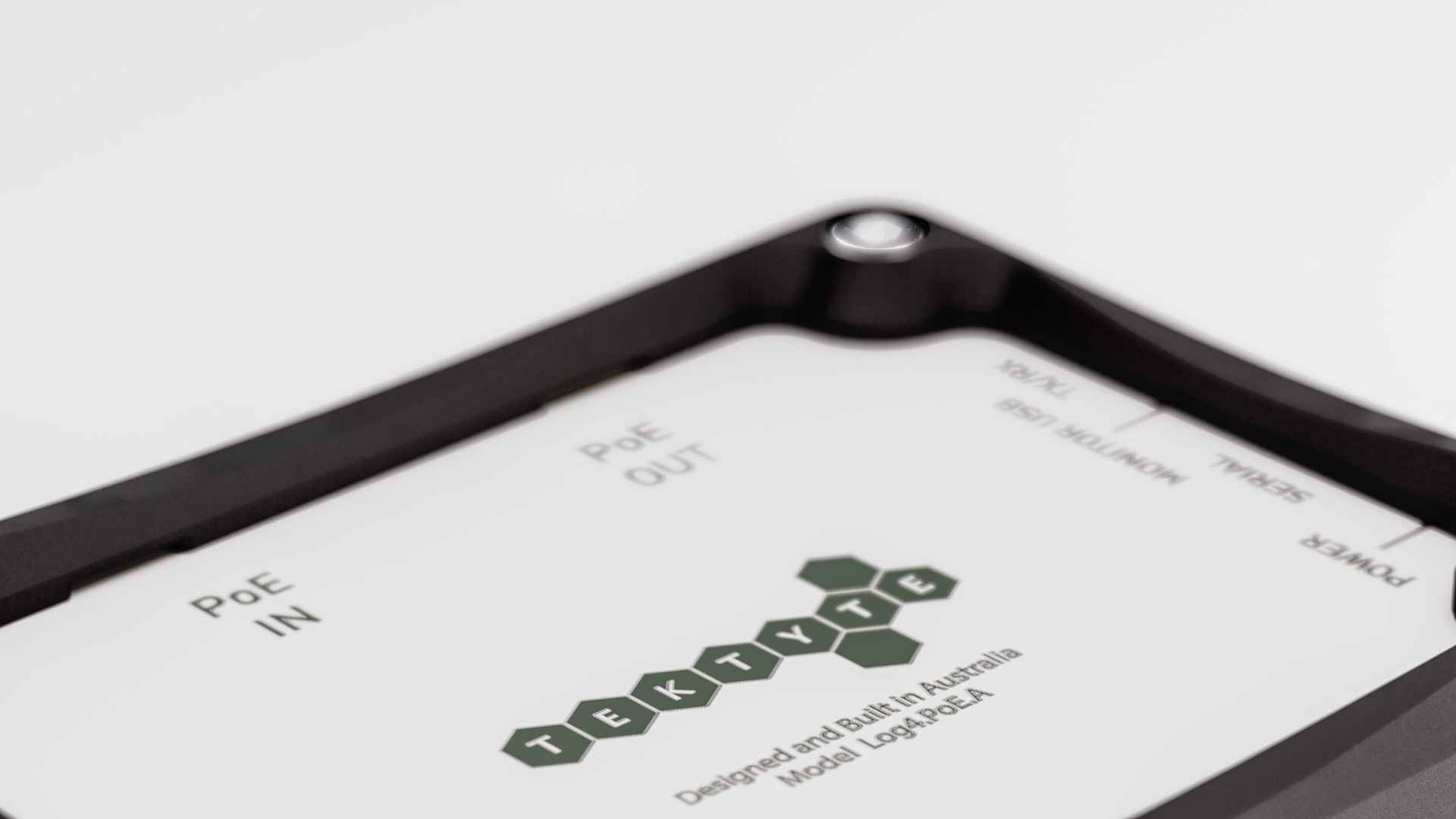
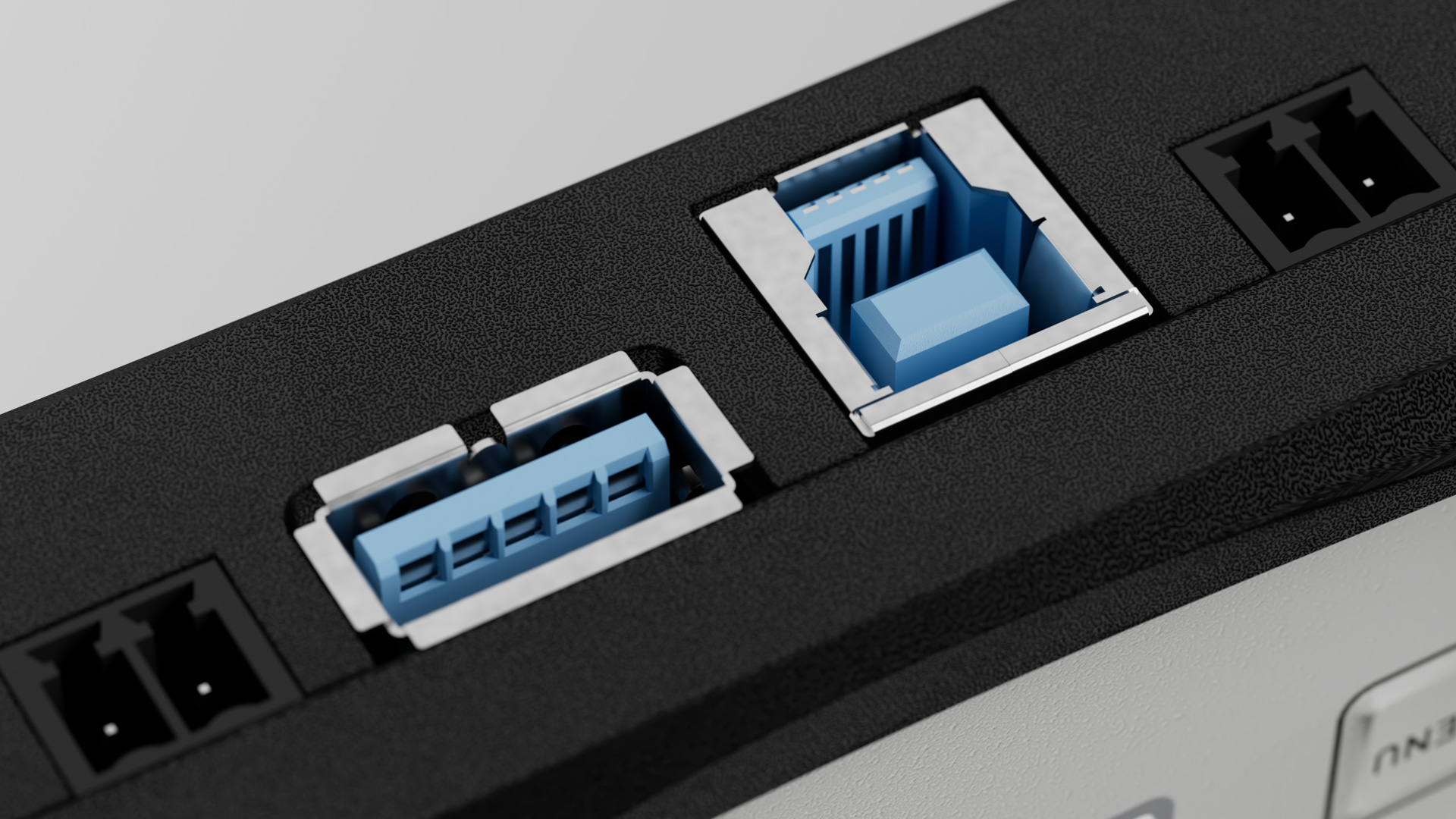
Log4 USB and Log4 PoE are inline power meters. Inline USB measurement is not itself novel; the continuous high-speed logging is. Both display voltage, current and power live and record to a microSD card at sampling rates down to 1 ms and 18 to 24-bit resolution, across at least 4 GB, so a power problem is caught in the act rather than inferred. Dedicated desktop software reads the logs back. The PoE meter measures on multiple channels, because Power over Ethernet delivers current across a minimum of four balanced pairs and over several power classes. In both, the data path passes through unaffected by the measurement.
Log4 is not client work. It is a product of Tektyte, the separate company I founded, and it launched through a Kickstarter campaign that passed its goal around day ten and raised $18,000 from about 130 backers.
The meters are still made in small batches and are sold through Tektyte. They go mostly to research institutions around the world, and Logitech, Ubiquiti and Cisco have bought them.
Tektyte Log4.POE
Ready to reach out?
If you have an electronic product idea but lack the knowledge, time or resources to make it happen, we can help.