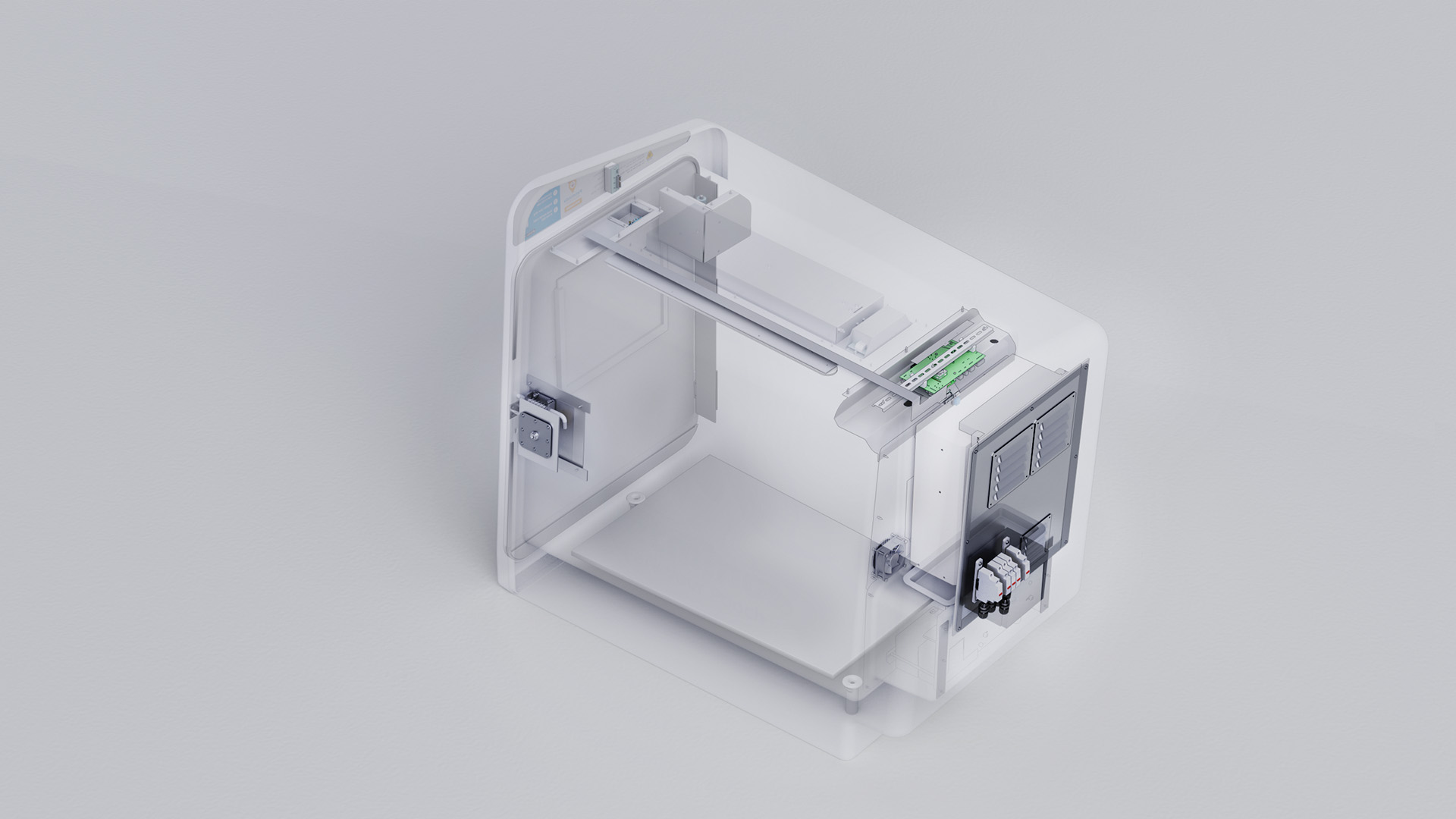
Petminda's founders saw a gap in shopping centres: nowhere to leave a pet while you shop. They wanted a commercially ready MVP fast, from one team that could carry the industrial design, engineering, UX and app together, with no existing product to reference or benchmark against.
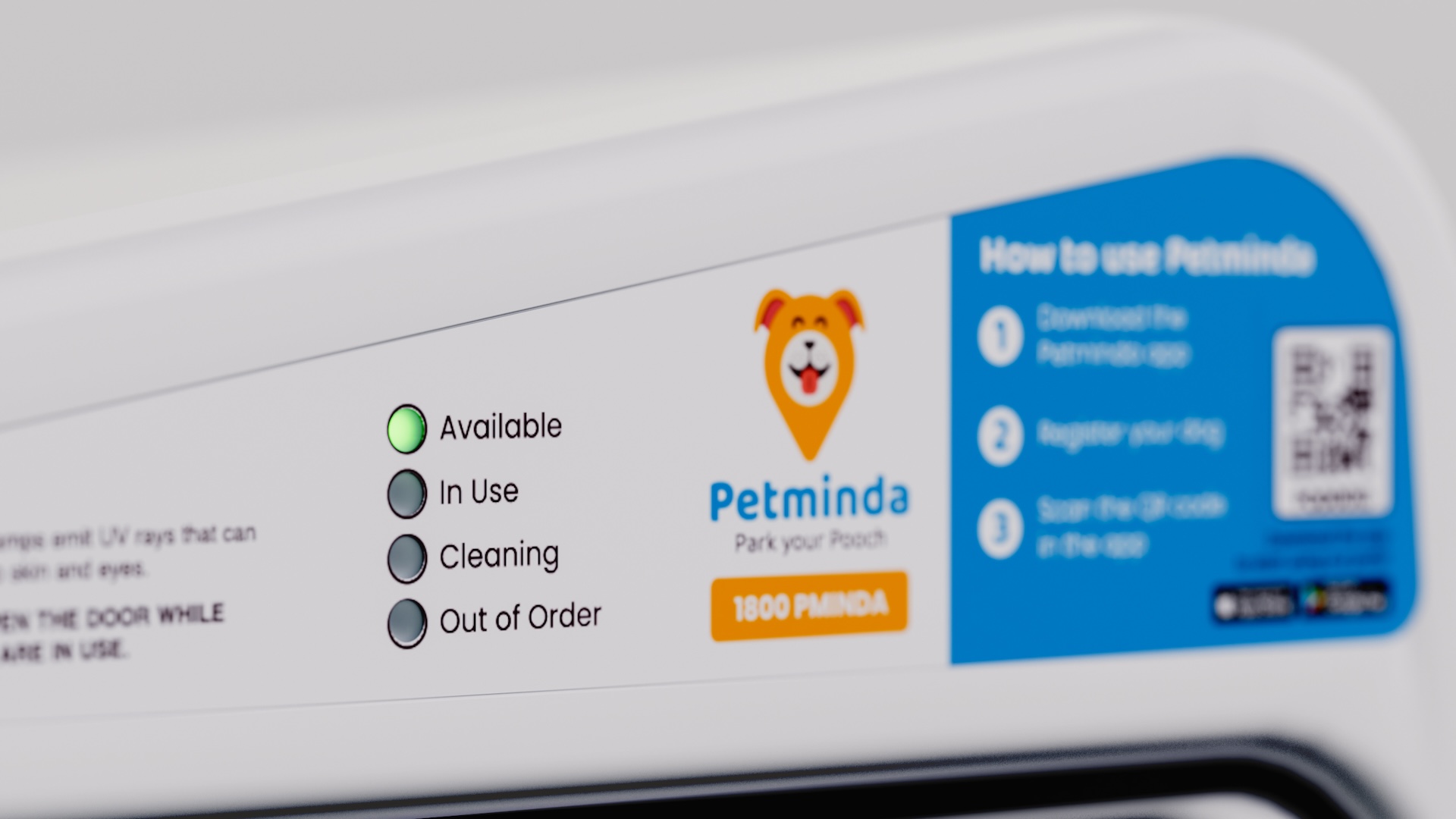
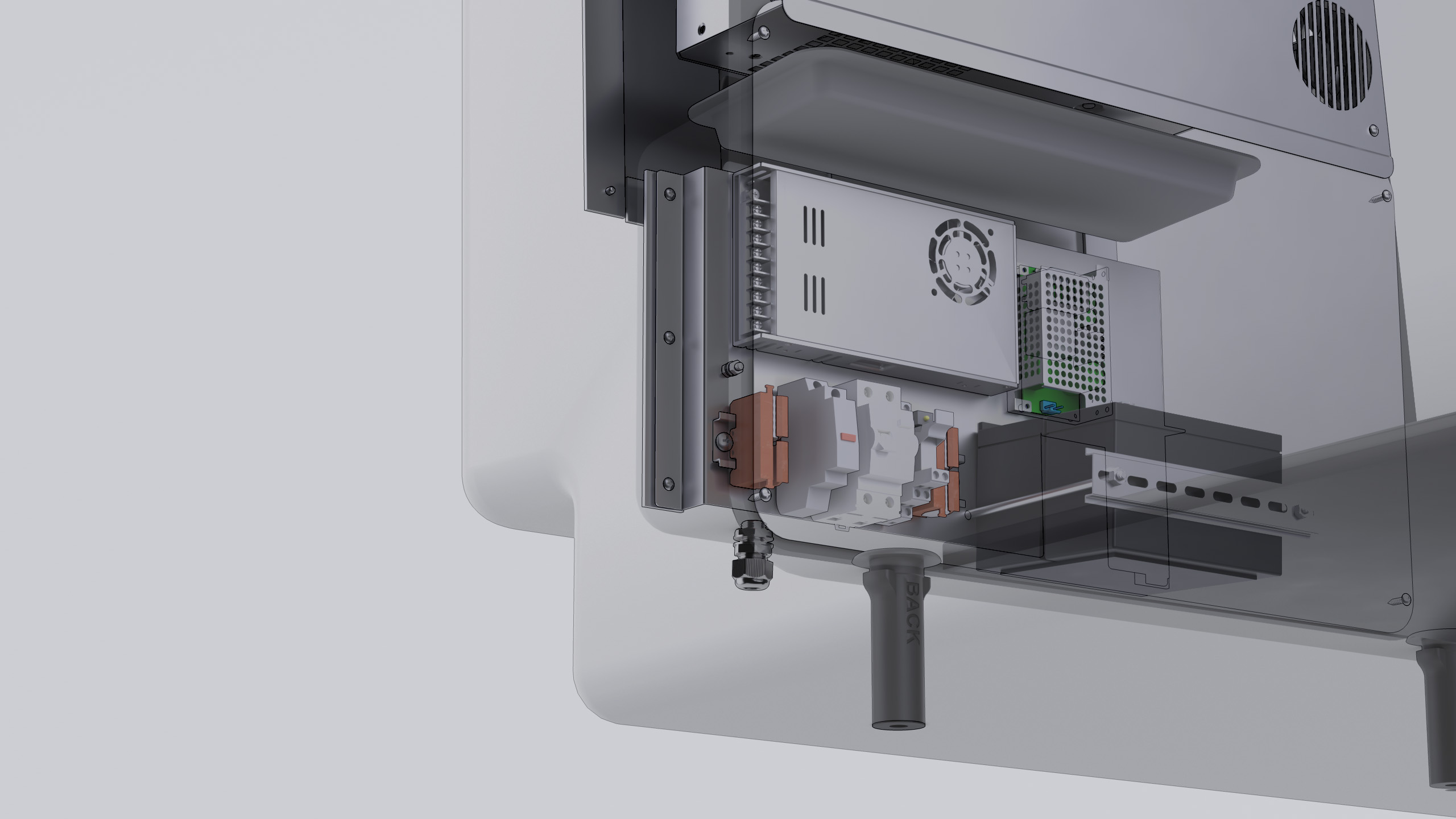
We built almost all of it — industrial design, mechanical engineering, electronics, firmware, the Flutter app, and the cloud platform behind them. A Raspberry Pi Compute Module 3 runs the local system inside each pod. The cloud side is Google Firebase with IoT Core ingestion, Stripe for payments and Twilio for SMS to pod administrators, and it carries analytics, fleet device management and over-the-air firmware update. Sensors track temperature and motion, vacancy sensing flags a pod for cleaning, the pods carry UVC disinfection, and video is recorded inside for the owner. The one significant bought-in element was the cooling: an off-the-shelf Peltier industrial unit, sized for Melbourne's temperature range.
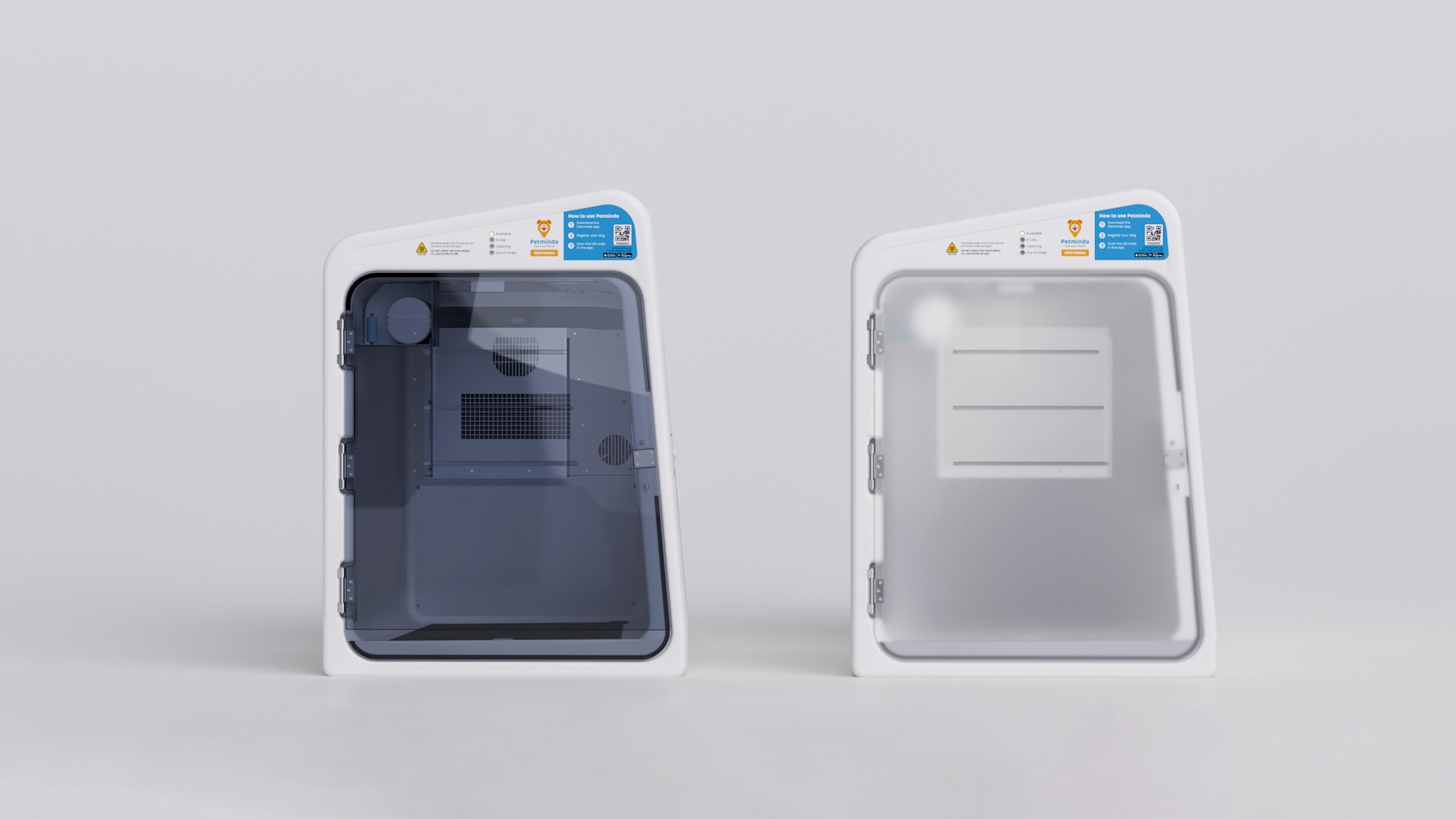
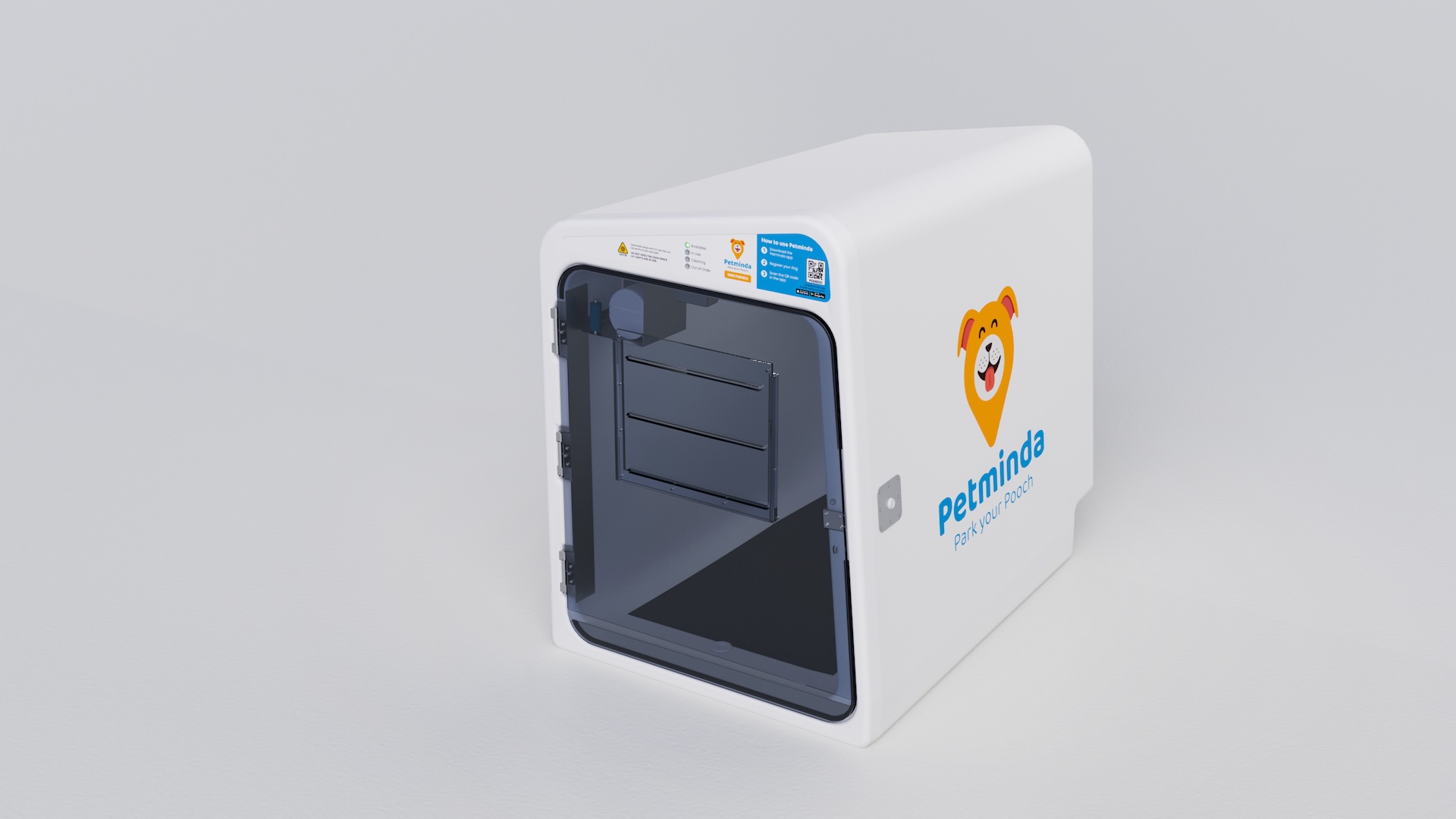
The difficulty was scope against budget. The enclosure is a large fibreglass composite with foam inserts, roughly 1.4 m tall and sized to house a Great Dane — expensive to form, carrying a lot of subsystems, and required to reach a competitive build cost. We CNC-machined a plywood prototype to prove the systems and the air conditioning while the first fibreglass shell was fabricated, then built ten deployable pods. The whole system came together in under nine months, production-ready and low-volume scalable in two rounds of engineering.
Tekt manufactured all the electronics in house; a local fibreglass fabricator made the housings. The first pods went into service at Barkly Square in Brunswick in July 2021, with further sites at Highpoint and Victoria Gardens following. The business was later sold to a UK buyer.