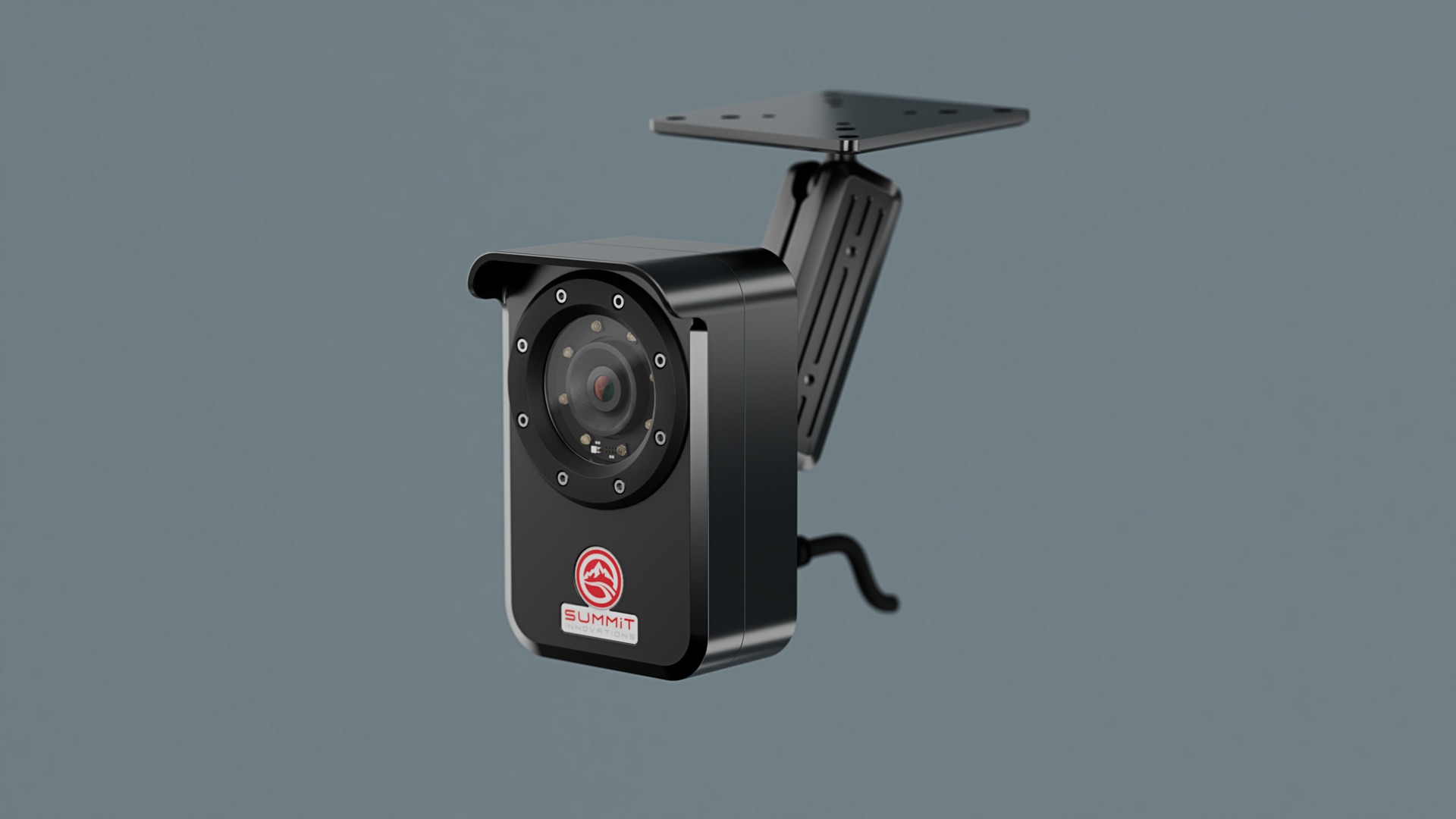
Summit Innovations monitors drive-thru performance for operators including KFC and McDonald's, in Australia and overseas. What Summit wanted was a camera-based sensor that covered more of the site with fewer devices, and reported vehicle colour, size and type alongside the timing data their existing systems already consumed.
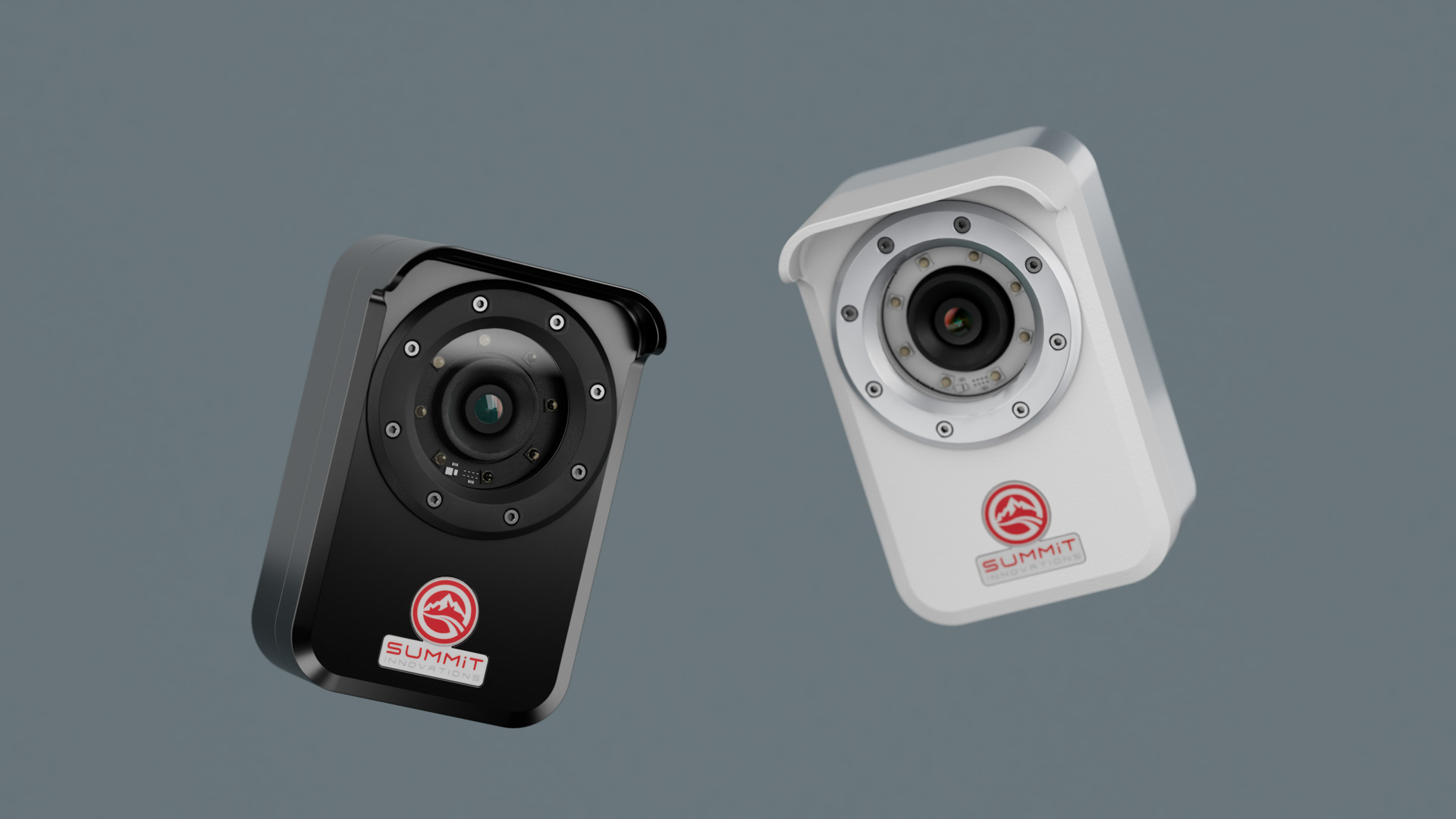
Summit came to Tekt for the whole product: industrial design, electronics, firmware and manufacture. A drive-thru lane spends much of its working life in weather and in the dark, so ORB-iT does not rely on a camera alone. It pairs custom infrared LED arrays with a three-dimensional radar Tekt developed on Texas Instruments 60 GHz technology, so the unit keeps detecting vehicles and reading local morphology when the visual field is obscured.
The next decision was how much the restaurant's network should have to carry. Rather than stream raw sensor data up to a cloud service to interpret, Tekt put the machine learning and the data fusion on the unit's own compute, so what leaves the device is already a result. Power and data arrive on one cable run per lane, over high-power PoE.
The difficulty was density: PoE, camera, compute and radar in one custom IP65-rated housing, fanless, the enclosure itself doing the cooling — at both ends of the range in Summit's brief, a Michigan winter and a Middle Eastern summer.
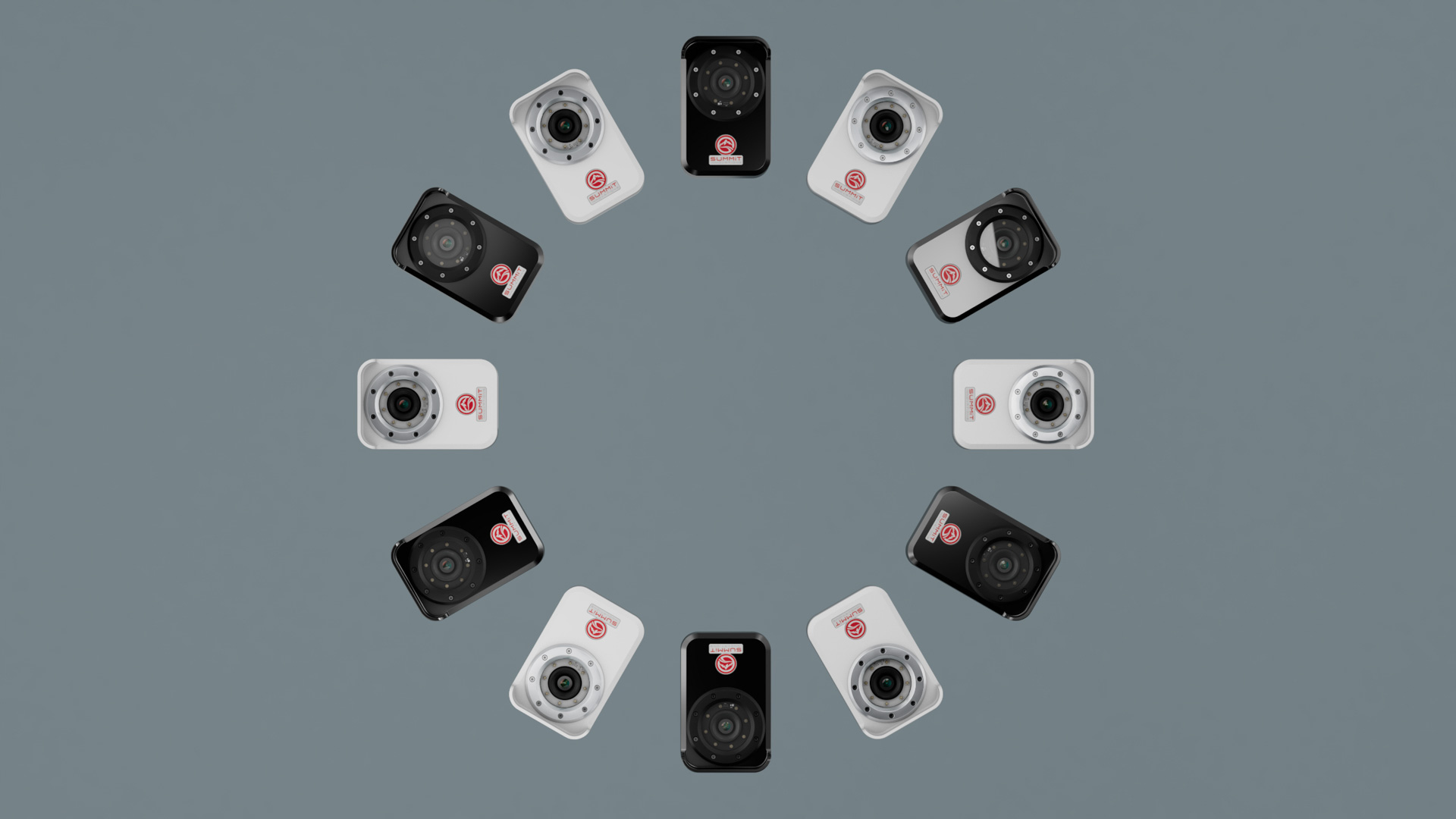
Two versions were built, both manufactured by Tekt: fifteen complete units of the first, on a Raspberry Pi Compute Module 3, and five of the second, on an NVIDIA Jetson Xavier module. Both went back to Summit's engineering team, who took the design to their own contract manufacturer for scale with Tekt supporting the transition.